Going to the hospital or any other short-term, long-term, or residential healthcare community means that while your body focuses on healing, proper nutrition plays a vital role in recovery.
That’s why food safety auditing is essential in these settings; it makes sure that the meals provided are safe and contribute positively to the health and well-being of patients. According to the USDA, food safety means “the conditions and practices that preserve the quality of food to prevent contamination and foodborne illnesses.”
This blog will break down how to move beyond meeting the bare minimum requirements to creating a dining program focused on continuous improvement and proactive safety. From understanding F-tag compliance to incorporating technology into your self-audit process, we’ll explore practical strategies to make staying audit-ready a natural part of your daily routine.
Why is food safety auditing important?
Although it may be complicated and time-consuming, food safety audits are one of the most important components of maintaining a sterile healthcare environment. According to the CDC, around 48 million people get a foodborne illness. Out of those 48 million, over 120,000 are hospitalized (where their risk of getting another one is even higher).
Think about it: when you’re sick, seeking care is a necessary part of getting better. If you leave an illness untreated, chances are it’ll worsen and lead to more severe consequences. You also don’t want to knowingly do things that compromise your health, such as eating foods you know are bad for you or taking your medications improperly. In the same way, you shouldn’t knowingly allow unsafe food and dining practices in your kitchen.
All in all, food safety audits in healthcare dining are crucial for several reasons. They:
- Ensure the health and well-being of people in the hospital (or long-term care community), where they’re automatically more at risk for contracting foodborne illnesses
- Mandate compliance with regulations, such as CMS standards, which helps facilities maintain funding and avoid penalties
- Promote a culture of food safety, ultimately leading to higher quality and safer dining services for residents and patients
4 things to make your compliance checklist complete
In healthcare dining, where vulnerable populations rely on your team’s diligence, compliance is the cornerstone of trust.
(That’s also why having a food service management partner who shares your community’s core values is important!)
Here are four of the things your compliance checklist should focus on.
1. Maintaining F-tag Compliance
Maintaining F-tag compliance is the most important part of staying audit-ready in healthcare dining. Without it, the risk of residents being harmed because of unsafe food practices grows exponentially. A kitchen also can’t operate unless they are in compliance with these standards, given that they are required by the Centers for Medicare and Medicaid (CMS).
Here are some key F-tags to proactively address in your daily routine to ensure compliance:
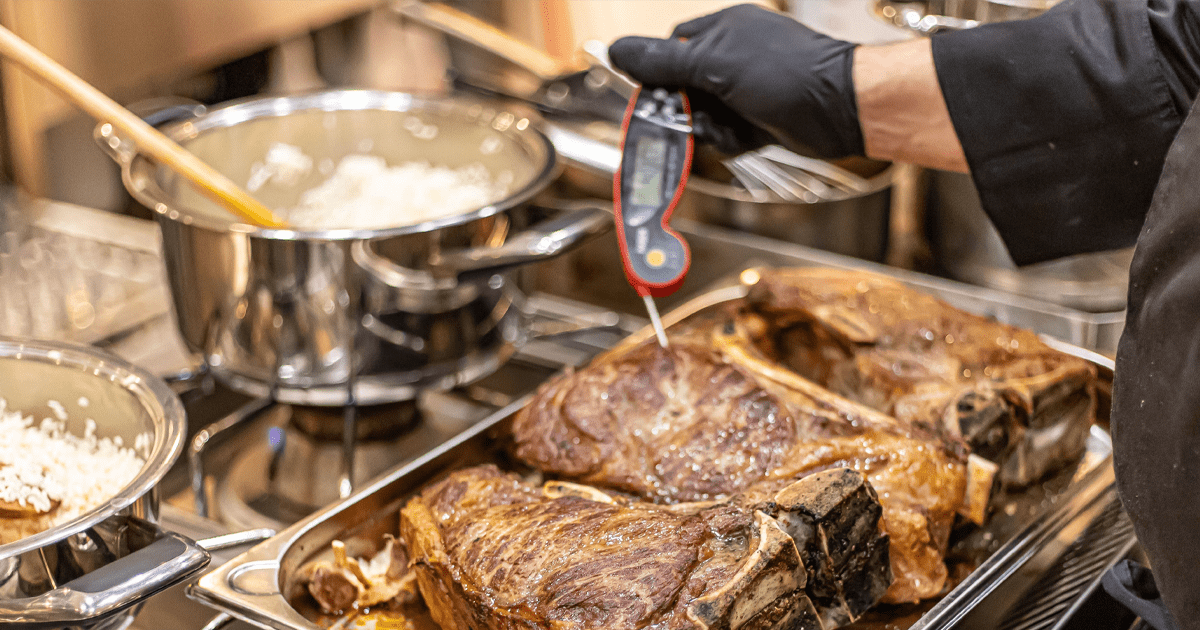
- F-812: Basic tasks such as getting rid of out-of-date foods, cleaning kitchen equipment, and maintaining appropriate food temperatures
- F-806: Patient medical conditions (such as dysphagia or cognitive impairment) should guide personalized meal plans
- F-901: Dietary staff should be competent in nutritional health practices and have the appropriate education and professional experience
Note that not all these F-tags relate directly to food safety; some of them focus on person-centered care, which is the gold standard for healthcare dining. Don’t forget about them as you prepare for an audit!
2. Establishing health protocols for food safety that focus on employee hygiene
In addition to adhering to food safety standards, having employee hygiene policies are necessary to keeping a clean and compliant kitchen. It’s crucial that all kitchen staff thoroughly understand and consistently adhere to these regulations, which should be regularly discussed. This includes practices such as proper handwashing, the use of gloves and aprons, and the importance of staying home when ill to prevent food contamination.
3. Creating an emergency plan
Because unexpected events like power outages or natural disasters can jeopardize food safety, a well-defined emergency plan is essential for healthcare dining teams preparing for food safety audits.
Being proactive demonstrates to auditors that your healthcare community is prepared to uphold safe food handling practices even when facing difficult situations.
A thorough emergency plan should detail how to secure food, maintain proper temperatures, guarantee safe water, and communicate effectively with staff and residents during any emergency. It should also outline the necessary steps for a safe return to regular operations once the emergency is over.
4. Incorporating technology into your self-audit process
Technology also makes auditing more accessible, so you can make keeping up with the necessary different procedures and safety standards a team effort.
Using innovative types of technology helps you streamline record-keeping, ensuring that documentation for temperature logs, cleaning schedules, and staff training is accurate and readily available for auditors.
Examples of technology used in self-audit preparation include digital checklists and audit software that can be customized to align with specific F-tags and regulatory requirements, allowing for real-time tracking of compliance progress.
Additionally, mobile apps can facilitate on-the-go inspections and immediate corrective actions, while cloud-based platforms enable secure storage and easy sharing of audit-related documents among team members.
Let us help you create an audit-ready workflow
As you find a system that helps your dining team stay audit-ready, it’s always nice to have a helping hand. A food service management provider (turned partner) can be the difference between months of trial-and-error and efficiently establishing a protocol for preparing your kitchen for inspection.
With Culinary Services Group, you’ll never have a doubt about whether our practices are food safety audit friendly. Every principle we abide by was created with the safety of patients in mind. Our Compliance Guarantee ensures that every aspect of our dining program meets the highest regulatory and safety standards, giving our partners peace of mind. We waive our management fees until compliance issues are resolved and verified.
Schedule a consultation with someone on our team to learn more about how partnering with us will help you maintain compliance with food safety standards.