
Summer brings longer days, brighter skies, and an abundance of fresh ingredients. In senior living communities, the warmer months mean more access to outdoor activities and fresh ingredients: two things that significantly improve an older adult’s quality of life. Seasonal menus accompany the changing season by bringing vibrant flavors, greater variety, and opportunities for meaningful social experiences, transforming everyday meals into moments that support wellness.
By embracing the flavors of the season, your dining team can transform everyday meals into memorable moments while continuing to meet nutritional needs and therapeutic diet requirements. A thoughtful summer menu gives residents something to look forward to, changing up their day-to-day.
Why Seasonal Menus Matter
Let’s explore why seasonal menus are important to senior living communities.
Fresh Variety Improves the Dining Experience
Dining is one of the most anticipated parts of the day for many residents. Introducing seasonal menu changes keeps meals exciting and prevents menu fatigue, giving residents something new to anticipate throughout the summer months.
Rotating menus based on seasonal ingredients also communicates that the dining program is dynamic and responsive rather than repetitive. Familiar favorites remain available while new offerings add variety, creating a balance between comfort and discovery.
Food Plays a Meaningful Role in Quality of Life
Meals provide nourishment, but they also offer opportunities for enjoyment and connection. Fresh seasonal dishes often evoke memories of family picnics, backyard gardens, county fairs, and neighborhood cookouts, creating positive emotional experiences that contribute to overall quality of life.
When residents are excited about meals, they are often more likely to participate in communal dining, try new foods, and engage with fellow residents and staff. A thoughtfully designed summer menu supports both physical nutrition and emotional well-being.
The Benefits of Fresh Summer Ingredients
Now that we know why summer menus matter, let’s break down the benefits of fresh produce and other ingredients prominent during the summer months.
Peak Freshness Creates Better Flavor and Visual Appeal
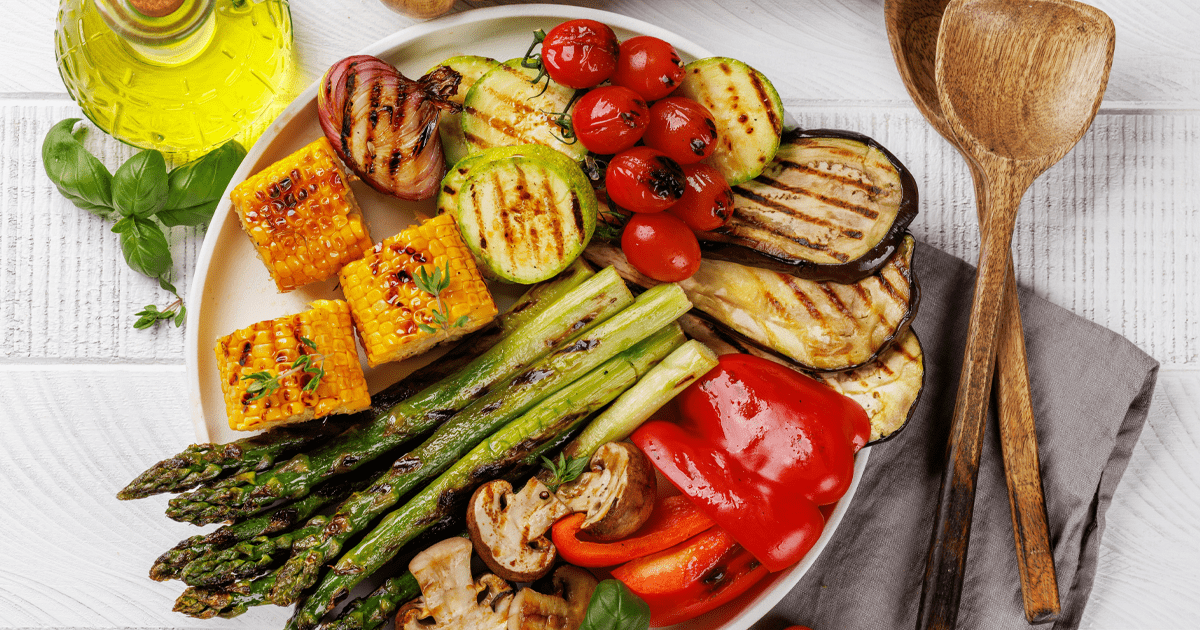
Summer produce naturally delivers vibrant colors, crisp textures, and bold flavors that make meals more appealing. Bright berries, sweet corn, cucumbers, peaches, tomatoes, and leafy greens create plates that are both nutritious and visually inviting.
An attractive meal encourages residents to eat, particularly those who may experience decreased appetite or require additional encouragement during mealtimes. Fresh ingredients can elevate even simple dishes, making every day dining feel special.
These bright colors also offer a unique sensory-inclusive experience while dining.
Seasonal Favorites Build Anticipation
Many residents have favorite summer foods that bring back cherished memories. Watermelon slices, fresh tomato sandwiches, grilled vegetables, berry cobblers, lemonade, pasta salads, and peach desserts often inspire excitement and conversation.
Featuring limited-time seasonal specials creates anticipation and encourages participation in dining events. Highlighting “Summer Harvest Specials” or “Chef’s Seasonal Favorites” allows communities to celebrate the best flavors of the season while providing menu variety.
Local Ingredients Support Freshness
A trip to the farmer’s market or a local farm is a warm weather tradition that many value during the summer months. When possible, incorporating locally grown produce provides access to ingredients at their peak quality while celebrating regional agriculture. Farmers markets and local suppliers often offer fruits and vegetables with exceptional flavor and freshness that enhance the overall dining experience.
Residents may also enjoy learning about where ingredients come from, creating opportunities for educational programming and meaningful discussions around food and community.
Supporting Wellness Through Summer Dining
When planning menus, it’s important to consider how selections will impact resident health. Here are some considerations.
Hydration is Essential to Overall Wellness
Warmer temperatures increase the importance of maintaining proper hydration, especially for older adults who may not naturally recognize thirst cues.
Dining teams can support hydration by offering refreshing options throughout the day, including:
- Fruit-infused water
- Lemonade and iced herbal teas
- Watermelon and citrus fruit cups
- Smoothies made with yogurt and fresh fruit
- Chilled soups and hydrating salads
Making hydration appealing rather than simply reminding residents to drink more water can significantly improve participation.
Seasonal Produce Delivers Nutritional Benefits
Summer fruits and vegetables provide essential vitamins, minerals, antioxidants, and fiber that support overall health and wellness.
Superfoods like colorful berries offer antioxidants, leafy greens provide vitamins and minerals, tomatoes contribute lycopene, and peaches and melons supply hydration alongside important nutrients. Incorporating a variety of seasonal produce helps residents enjoy balanced meals while experiencing the natural flavors of the season.
Refreshing Meals Encourage Better Habits
Heavy meals can feel less appealing during warmer months. Lighter, nutrient-dense options such as grilled chicken with fresh vegetables, seafood salads, fruit parfaits, quinoa bowls, and chilled pasta salads provide satisfying nutrition without feeling overly rich.
These refreshing choices help residents maintain energy while supporting healthy eating habits throughout the summer.
Creating Engagement Beyond the Plate
Summer naturally lends itself to outdoor gatherings and special celebrations. Cookouts, seafood boils, ice cream socials, and patio dining create experiences that extend beyond nutrition and encourage residents to spend time together.
These events provide opportunities for families, staff, and residents to connect in relaxed settings while enjoying seasonal favorites.
Simple additions such as live music, lawn games, or themed decorations can transform an ordinary meal into a memorable community event.
Other ideas include:
- Backyard barbecue afternoons
- Farmers market-inspired lunches
- Tropical vacation-themed meals
- Strawberry festivals
- Picnic-style patio lunches
- Ice cream sundae bars
- Fourth of July cookouts
- Summer seafood celebrations
These programs combine dining with recreation, supporting social engagement while making meals more interactive and enjoyable.
Personalize the Summer Dining Experience
The most successful dining programs invite residents to help shape the menu. Their feedback is valuable and it’s important to capitalize on that.
Dining committees, suggestion boxes, and seasonal surveys provide valuable insight into favorite foods and traditions. Residents may request family recipes, regional specialties, or cultural dishes that hold personal significance.
Featuring a “Resident Recipe of the Week” or highlighting a favorite summer dessert submitted by a resident creates ownership and excitement while celebrating the diverse backgrounds within the community.
Personalization also strengthens relationships between residents and dining staff, reinforcing that resident preferences are valued and respected.
Balancing Creativity with Nutrition and Measuring Success with a Strong Food Service Management Partner
Creativity should always complement nutritional excellence rather than replace it. Summer menus can incorporate colorful seasonal ingredients while continuing to meet therapeutic diet accommodations, texture modifications, sodium restrictions, carbohydrate consistency requirements, and other clinical nutrition needs.
With thoughtful planning, nearly every seasonal favorite can be adapted for different resident populations without sacrificing flavor or presentation.
At Culinary Services Group, we can help you implement this from the moment you sign up for a partnership with us. Contact a sales representative today to learn more.